-
01
Who is eligible, and what proves it?
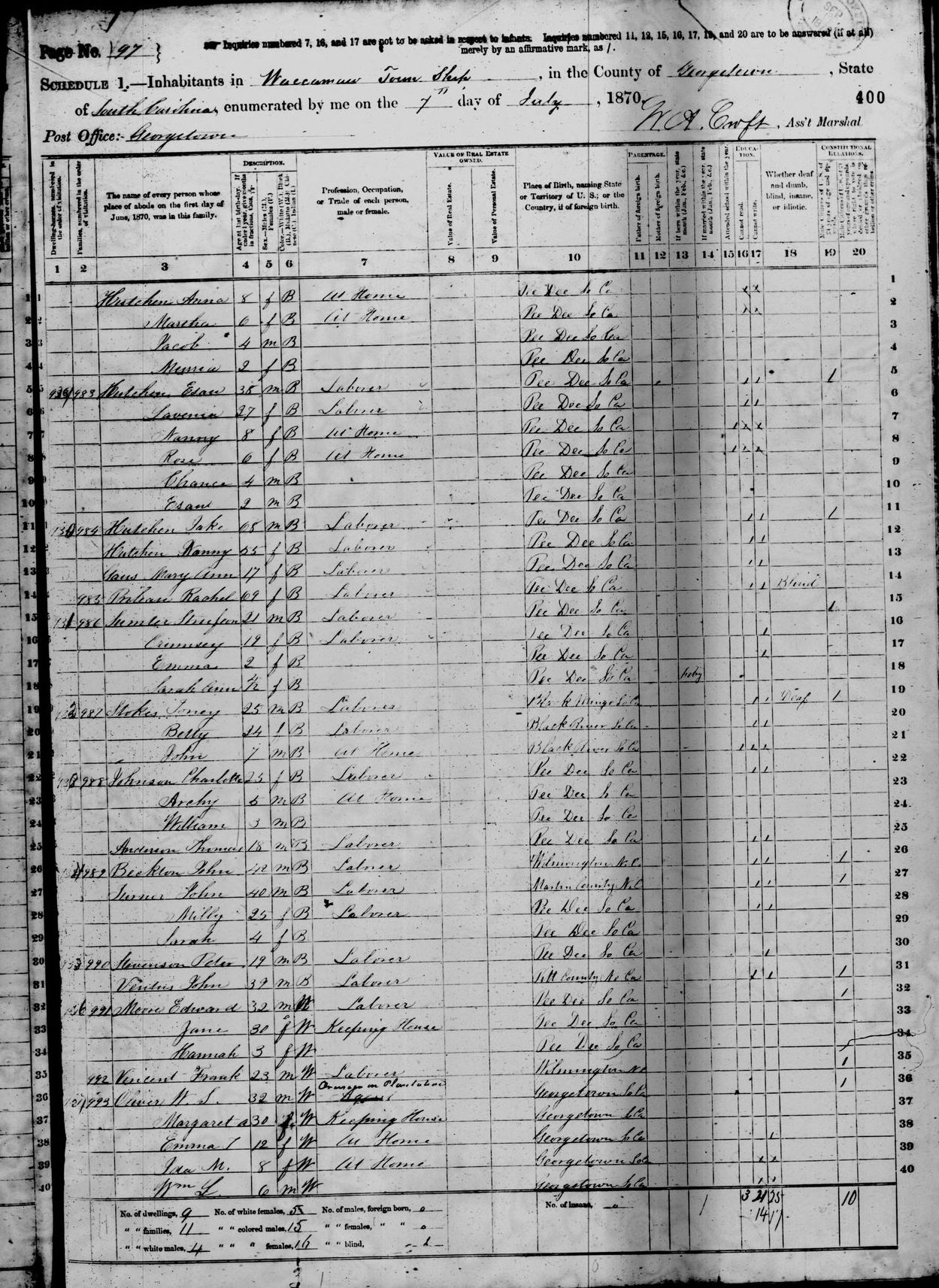
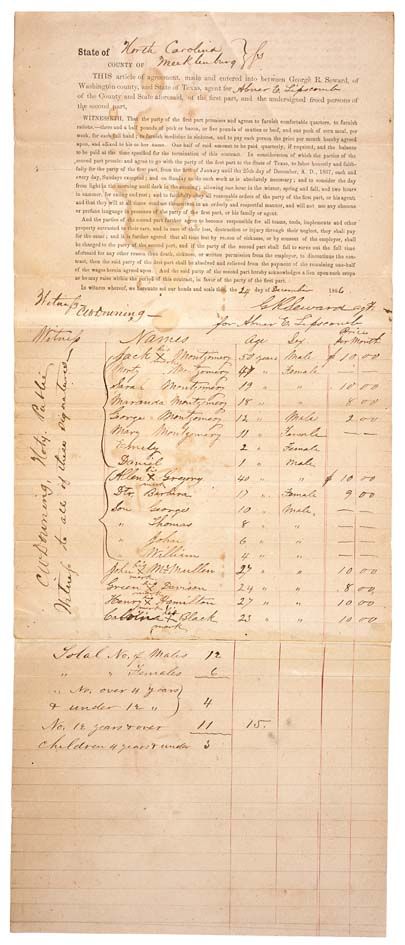
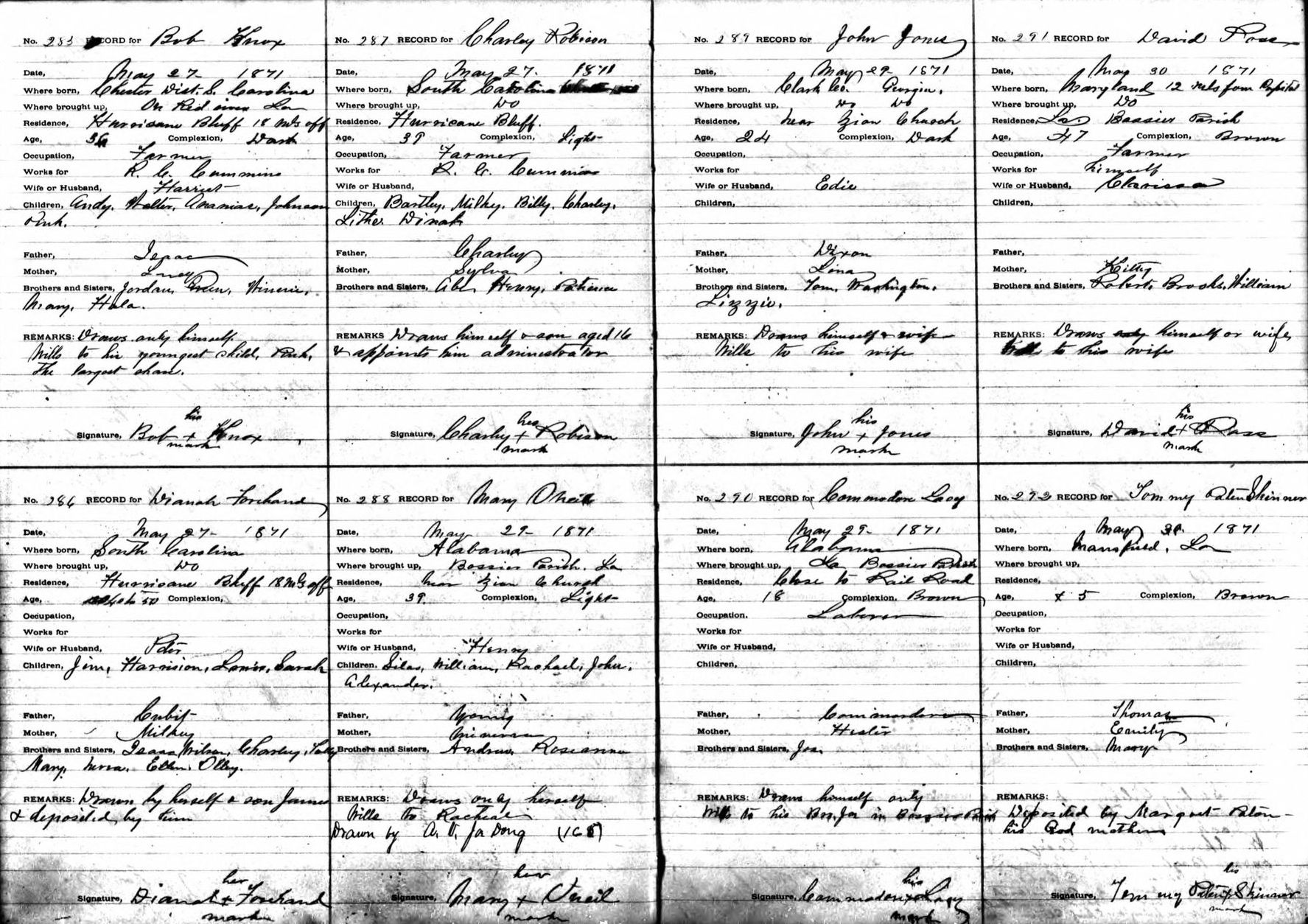
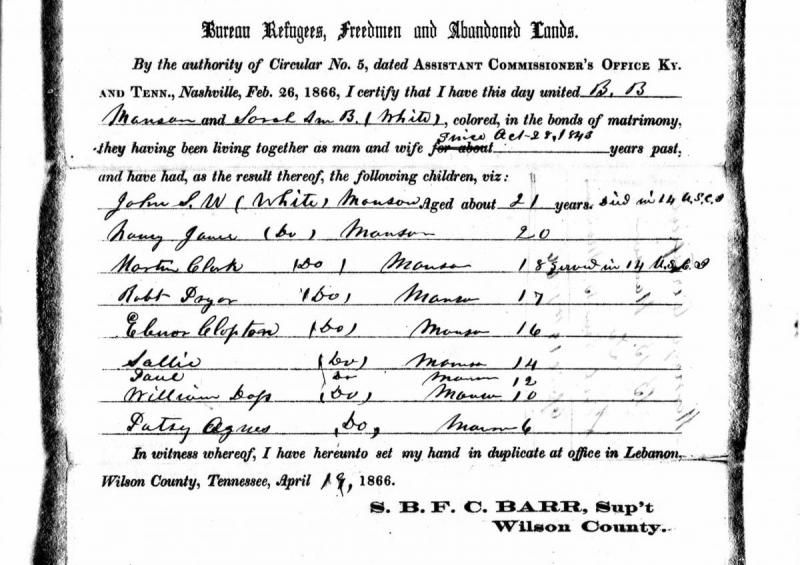
The most cited standard comes from William Darity’s sworn testimony on H.R. 40 in June 2019: at least one ancestor enslaved in the United States, established by genealogical documentation, plus self identification as Black on a state or federal legal document for at least ten years. No phenotype. No ideology. No DNA test.
House Judiciary Subcommittee on the Constitution, Civil Rights and Civil Liberties, June 19, 2019.
-
02
What is being measured?
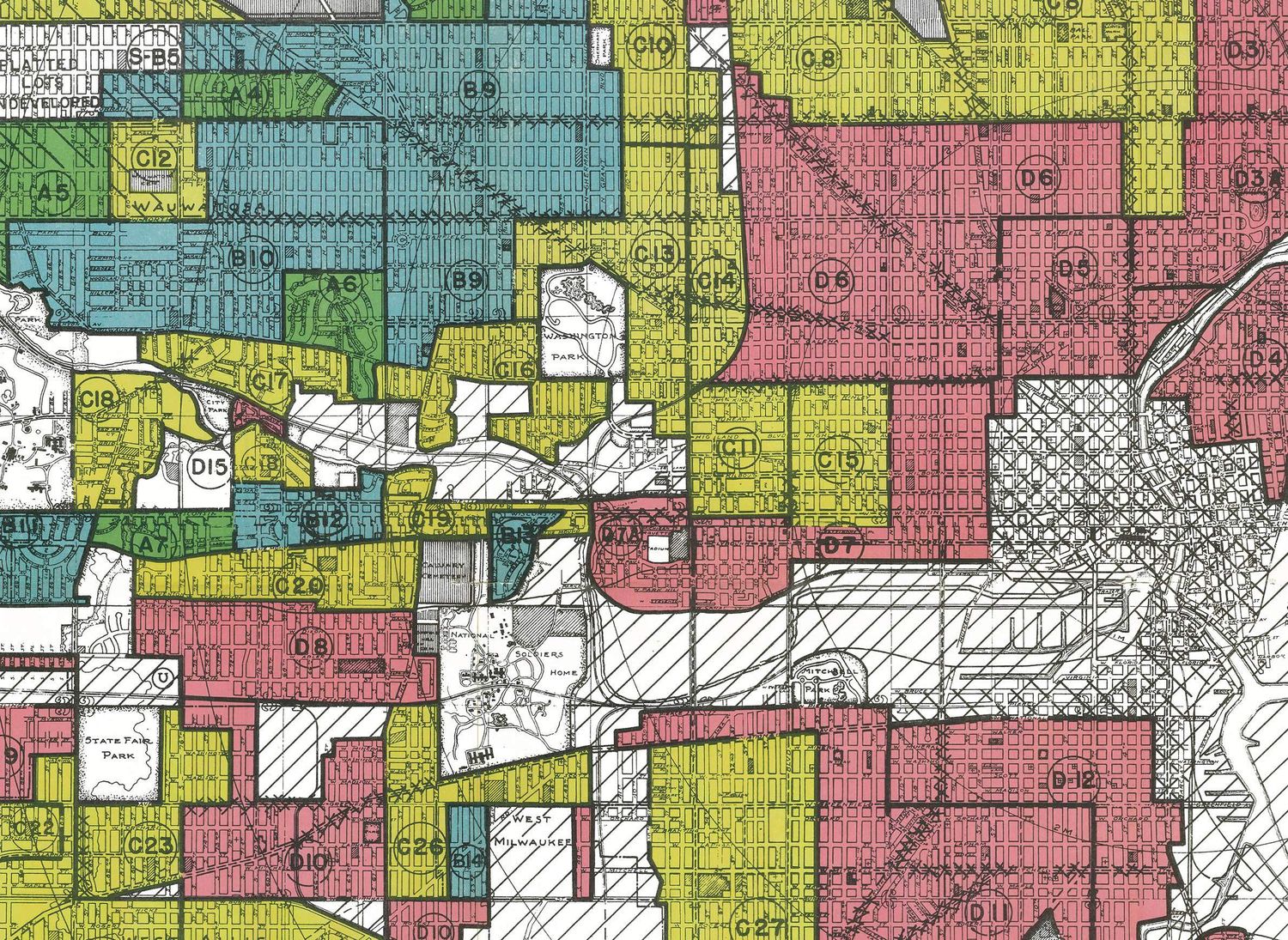
California’s task force chose six harm categories for calculation: health disparities, mass incarceration and over policing, housing discrimination, devaluation of Black owned businesses, unjust property takings by eminent domain, and labor discrimination. That list is a template, and it is contestable. Argue with it on the merits.
California Task Force final report, June 29, 2023. 1,080 pages, more than 115 recommendations.
-
03
What form does repair take?
Direct cash. Housing capital. Business capital. Tuition. Land. Each one has a different tax treatment, a different administrative burden, and a very different level of public support. Choosing the form is a strategic decision, not a moral one, and it should be made with the numbers in front of you.
-
04
Who pays, and out of what?
Evanston, Illinois funds its program from a three percent municipal tax on cannabis retail, dedicating $10 million over ten years. Providence used federal recovery funds. Amherst used free cash and cannabis revenue. The funding mechanism determines whether a program survives a change of administration.
City of Evanston Resolution 126-R-19, November 2019.
-
05
Will it survive the courts?
This is the question the movement skips, and it is the one that decides everything. Evanston’s program is in active federal litigation. Any race conscious program has to be built against City of Richmond v. J.A. Croson Co. and the reasoning in the 2023 Harvard admissions decision. A design that ignores this is not a plan, it is a press release.
Flinn v. City of Evanston, N.D. Ill. Motion to dismiss denied March 2026, litigation ongoing.